Green Initiatives: How E-Waste Recycling Services Are Protecting Our Planet
Electronic waste presents serious dangers to the environment, as disposed Find out more electronics frequently harbor hazardous substances. Such dangerous compounds can pollute soil and water supplies, causing extensive damage to surrounding ecosystems. E-waste recycling services present a viable solution. They not only recover valuable resources but also mitigate pollution. Gaining insight into how these programs function and affect local communities is critical. The journey towards effective e-waste management raises critical questions about individual responsibility and collective action. What measures can be pursued from this point onward?
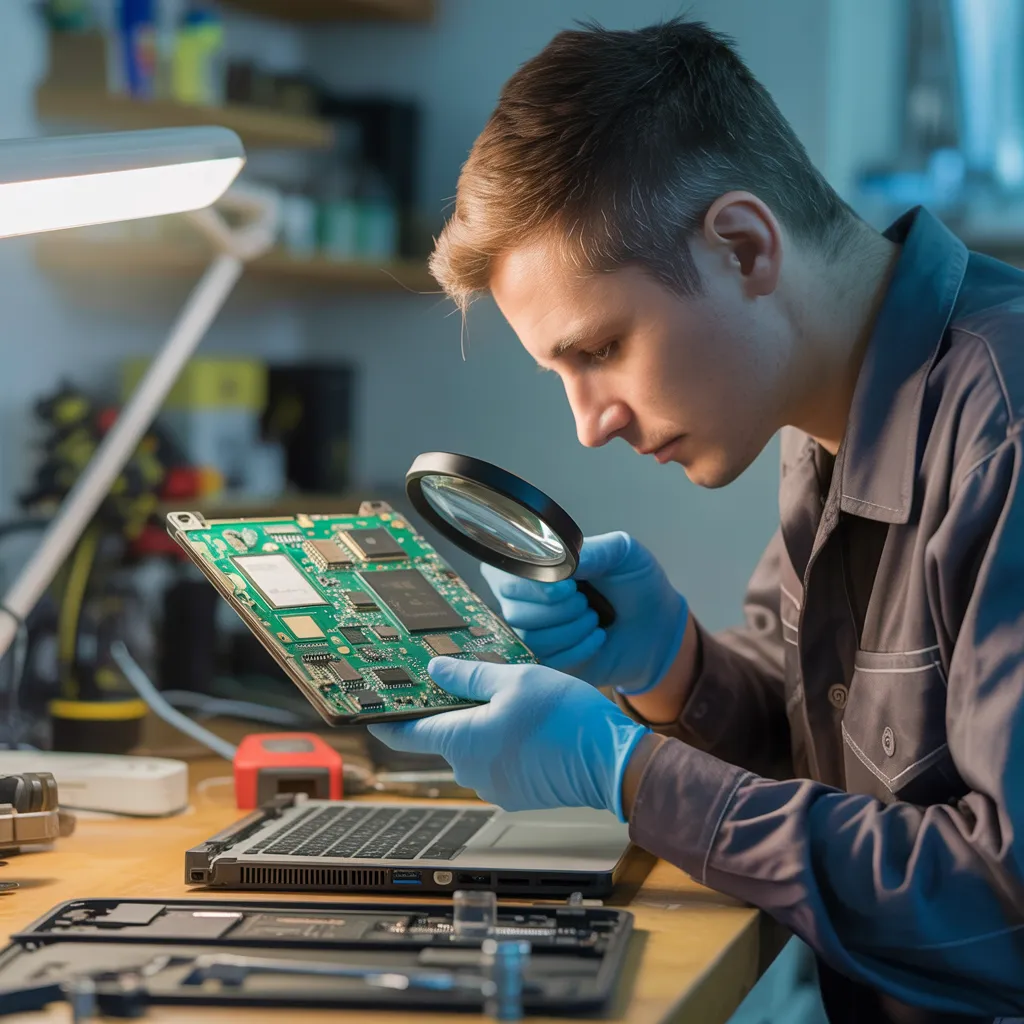
Why E-Waste Poses a Threat to the Planet
Although technology enriches our daily lives, electronic waste presents significant environmental threats. Discarded electronic devices, frequently composed of hazardous materials such as mercury, lead, and cadmium, may release harmful substances into the surrounding soil and water supply, creating hazards for ecosystems and human health. The rapid pace of technological advancement leads to higher rates of electronics disposal among consumers, worsening the buildup of discarded electronic materials.
Landfills, already overwhelmed with refuse, find it difficult to handle the increasing amounts of discarded devices. Burning, an alternative disposal approach, discharges toxic contaminants into the air, worsening overall air quality. Moreover, poor recycling procedures can cause e-waste to be sent to developing regions, where employees may disassemble electronics without sufficient safety precautions, leaving them vulnerable to harmful substances. This pattern of negligence and mismanagement highlights the critical demand for eco-friendly recycling alternatives that can reduce the damaging impact of electronic waste on the environment.
Understanding E-Waste and Its Significance
Electronic waste, commonly known as e-waste, encompasses unwanted electronic equipment including smartphones, computers, and televisions that have reached the end of their useful life. This rapidly expanding waste category is noteworthy due to its rapid accumulation, fueled by innovation in technology and shifting consumer habits. As more devices become obsolete, the environmental impact intensifies, with harmful substances like lead, mercury, and cadmium threatening both ecosystems and public health.
The significance of tackling e-waste extends beyond minimizing these risks to recognizing the valuable resources it holds. Valuable metals and rare earth materials can be extracted and repurposed, lessening the demand for mining and preserving natural resources. Through a deeper awareness of e-waste and its consequences, both individuals and organizations can make well-informed choices regarding disposal and recycling, thereby supporting a more sustainable future. Effective handling of e-waste is vital for encouraging a circular economy and advancing environmental responsibility.
How E-Waste Recycling Works
Recycling e-waste involves a systematic process designed to recover valuable materials while limiting ecological damage. At the outset, discarded electronics are retrieved and sent to dedicated processing centers. Upon arrival, the equipment is meticulously organized to isolate dangerous parts from recoverable materials.
Following this, workers break down the devices, removing metals, plastics, and glass. This process is vital, as it facilitates the extraction of precious metals like copper, gold, and silver, which can be reused in new electronic devices.
Next, the divided materials are treated through cutting-edge techniques, such as chemical treatments and shredding, to refine them for reuse.
In the final step, the remaining hazardous materials are disposed of responsibly, adhering to eco-friendly standards. This comprehensive process not only preserves valuable resources but also reduces the dangers linked to improper e-waste disposal, guaranteeing a greener future for electronic device usage.
Advantages of E-Waste Recycling for You and Your Community
Although it often goes unnoticed, the positive effects of e-waste recycling reach well past personal use to meaningfully influence entire communities. By responsibly disposing of electronic waste, individuals play a role in creating a safer environment, decreasing hazardous materials that can leach into soil and water. This forward-thinking practice helps preserve local ecosystems and supports public health.
In addition, electronic waste recycling supports workforce growth within communities. Community recycling operations commonly require workers for diverse activities, from collection to processing, therefore offering work opportunities within the community. This not only enhances the community economy but also promotes community participation in sustainable initiatives.
In addition, understanding of e-waste recycling is capable of inspiring educational initiatives, encouraging residents to pursue greener alternatives. By enrolling in e-waste recycling programs, individuals foster a culture of sustainability, encouraging others to embrace similar practices. Ultimately, the cumulative impact of these actions can create a more sustainable and conscientious community.
A Guide to Selecting an E-Waste Recycling Service
Picking the most suitable electronic waste recycling provider is vital for ensuring that e-waste is processed with responsibility and sustainability. First, individuals should verify the service's accreditations, such as R2 and e-Stewards certifications, which demonstrate compliance with professional guidelines for secure waste disposal procedures. It's also important to examine the organization's credibility by reviewing feedback and looking for advice from dependable sources.
Furthermore, transparency in the recycling process is vital. A dependable company should supply straightforward details about how e-waste is processed and what becomes of the materials. Additionally, evaluating the range of services offered can be beneficial; various firms may supply retrieval services or extend benefits for recycling.
Furthermore, learning about local guidelines related to e-waste disposal can help inform the selection process. Through focusing on these key aspects, individuals can contribute to successful electronic waste reduction while supporting green and responsible behaviors.
How You Can Get Involved in E-Waste Recycling?
Engaging in e-waste recycling may begin at the local level, where local recycling facilities frequently offer essential services for safe disposal. Furthermore, joining community awareness campaigns can amplify efforts to educate others about the importance of proper e-waste handling. These initiatives not only encourage sustainable practices but also build a collective sense of stewardship of the environment.
Area Recycling Stations
Several regional recycling hubs play an essential role in e-waste recycling, providing communities with accessible options to discard electronic waste in an eco-friendly way. These hubs welcome a wide array of digital devices, including old computers, smartphones, and televisions, verifying that toxic materials are disposed of safely. Most stations have knowledgeable personnel who are able to assist individuals with correct disposal techniques, underscoring the benefits of recycling compared to landfilling. Additionally, various hubs coordinate scheduled drop-off occasions or specific collection dates, allowing residents to take part with ease. By engaging with these local facilities, community members advance a circular economy, minimizing ecological impact and fostering sustainable behaviors. Working alongside these hubs enables communities to combat e-waste pollution successfully.
Community Awareness Campaigns
Nearby organizations, schools, and enterprises can partner to arrange initiatives that encourage e-waste collection drives. Community members can serve a critical function in promoting knowledge, handing out educational content, and interacting with the surrounding community. By means of these joint initiatives, local inhabitants gain greater awareness and encouragement to properly recycle their e-waste, thus playing a meaningful role in creating a more environmentally responsible future.
Questions We Often Receive
Which Types of Electronics Are Recyclable?
Various electronics are able to be recycled, including smartphones, computers, laptops, televisions, printers, and gaming consoles. In addition, accessories such as keyboards, mice, and batteries are well-suited for recycling, supporting efforts to conserve the environment.
Are There Any Costs Associated With E-Waste Recycling?
Indeed, e-waste disposal may involve charges, depending on the provider. Some service centers apply costs for gathering or treatment, while some providers make services available at no charge, often subsidized by the sale of reclaimed components.
How Do Businesses Gain From E-Waste Recycling?
Organizations can gain from e-waste recycling by minimizing disposal costs, enhancing their environmental image, adhering to regulatory requirements, extracting valuable resources, and possibly earning income through resale, ultimately contributing to a more sustainable operational strategy.
What Becomes of Data on Recycled Devices?
Information from repurposed equipment is frequently completely removed or destroyed during processing. This confirms sensitive information remains secure, preventing unauthorized access while allowing components to be recycled safely and responsibly within new applications.
Can I Recycle Broken Electronics?
Absolutely, defective electronics are able to be recycled. Numerous collection points accept non-functioning devices, providing responsible disposal and extraction of useful materials. Doing so helps reduce the environmental footprint while supporting eco-friendly recycling methods to control electrical waste efficiently.